
Care & Recovery · July 6, 2026 · 6 min · By Iris Calderon
Do lip plumpers actually work?
What the tingling glosses really do, how long it lasts, and where they honestly fit.
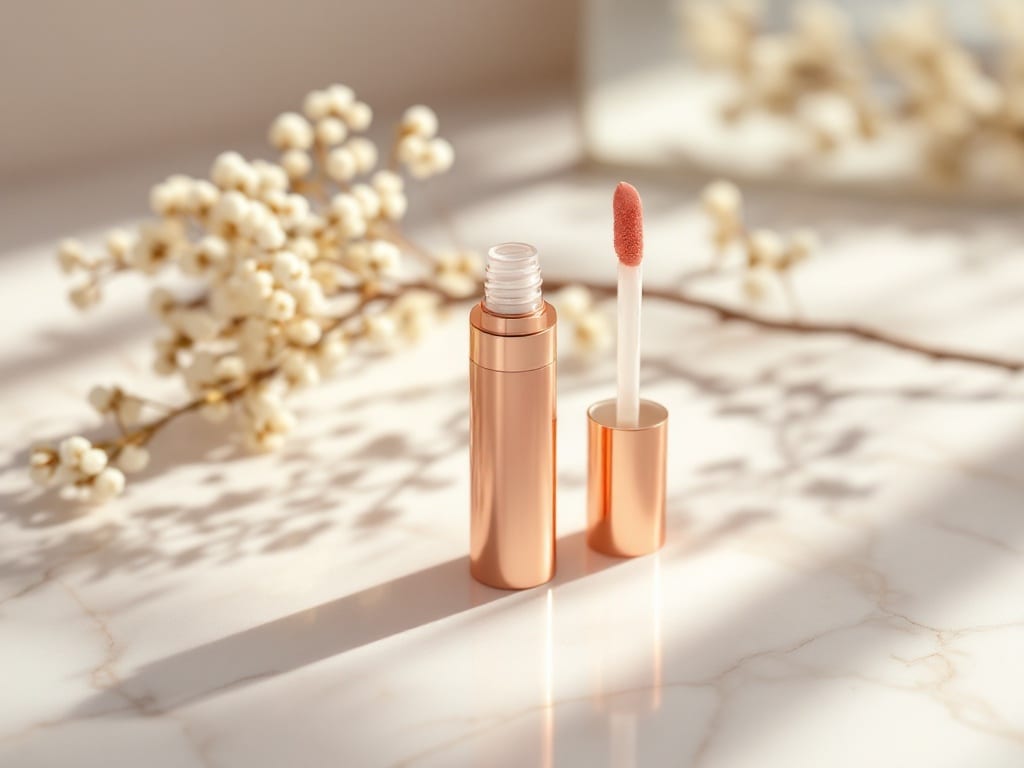
Before anyone books a consultation, most people with thin lips try the drugstore first: the tingling glosses and "plumping" balms that promise fuller lips for the price of a lipstick. The honest answer to whether they work is yes, a little, briefly, and understanding the mechanism explains both the appeal and the limits.
How a plumper plumps
Most plumping glosses rely on mild irritants: cinnamon, capsaicin (the heat in chili peppers), menthol, or ginger extracts. The tingle you feel is a low-grade irritation that increases blood flow to the lips and draws a little fluid into the tissue, which produces a temporary, subtle swelling and a rosier color. A second family of products takes a gentler route, using humectants like hyaluronic acid or glycerin to pull moisture into the lip surface, which smooths and slightly rounds the lips without the sting. Both effects are real, and both are measured in hours, not days. When the irritation subsides or the surface moisture rebalances, the lips return to exactly where they started.
What they cannot do
No topical product changes the structure of the lip. A plumper cannot add volume the way a filler does, cannot lift the upper lip the way a lip flip does, and cannot redefine a border or a cupid's bow. The swelling from an irritant gloss is also, by definition, irritation, and using these products heavily or daily can leave lips chapped, inflamed, or more prone to dryness, which works against the healthy, smooth surface that makes any lips look their best. The American Academy of Dermatology's guidance on healing dry, chapped lips specifically recommends avoiding lip products that burn or tingle if your lips are already irritated, which is worth taking seriously if you have made a plumper part of your morning routine.
The honest baseline: healthy lips
The unglamorous truth is that well-cared-for lips look fuller on their own. Hydration, a plain balm, and daily sun protection keep the lip surface smooth and light-reflective, while chronic dryness makes lips look thinner and more lined than they are. Basic lip care costs almost nothing and is the foundation under every other option, cosmetic or medical. A hyaluronic-acid-based gloss used for comfort and shine is a perfectly good part of that routine; it just is not a treatment.
Where plumpers honestly fit
As makeup, plumpers are fine: a low-cost, low-commitment way to get a subtle evening boost, and a reasonable way to preview whether slightly fuller lips even suit your face before considering anything else. As an alternative to actual enhancement, they are not in the same conversation. If the goal is a visible, lasting change, the real comparison is between a lip flip, which costs less and delivers a subtle lift for a couple of months, and filler, whose cost per syringe buys months of genuine volume and definition in skilled hands.
A sensible sequence for someone starting from scratch: care for the lips properly for a month, use a plumper for occasions if you enjoy the effect, and if you still want more, book a consultation and ask about the conservative end of the menu. The gloss and the syringe are not rivals so much as different orders of magnitude, and knowing what each honestly delivers is what keeps expectations, and spending, in proportion. It also makes the consultation conversation easier, because you arrive knowing what topicals have already done for you and what you are actually asking a professional to add.
Related reading: Lip filler: the basics done right